World Keratoconus Congress (WKC) 2026 brought the global keratoconus community together to showcase clinical innovation, celebrate scientific leadership and explore the next generation of patient care

The 3rd World Keratoconus Congress (WKC 2026), held in Florence, brought together leading corneal specialists from around the world to discuss the latest advances in keratoconus diagnosis, treatment and long-term management. Across three days of scientific exchange, several clear themes emerged: the growing role of earlier, more precise diagnosis, continued innovation in personalised treatment strategies, and an increasing focus on functional and patient-centred outcomes.
Don’t miss out on hearing about our latest peer reviewed articles, expert opinions, conference news, podcasts and more.
Early diagnosis and precision staging take centre stage
One of the core scientific pillars at WKC 2026 focused on multimodal diagnosis, reflecting the growing importance of identifying keratoconus earlier and characterising disease with greater precision. Across sessions, international experts explored how advances in corneal imaging, tomography and biomechanical assessment are helping clinicians move beyond traditional topographic diagnosis toward a more nuanced understanding of disease phenotype, progression risk and treatment timing.
Particular attention was given to pediatric keratoconus, where early progression can be especially aggressive. In a dedicated session, Laura Buzzonetti presented emerging European perspectives on the diagnosis and management of keratoconus in younger patients, highlighting the importance of timely detection and intervention in this population.
Recognising leadership in keratoconus: Prof. Jorge Alió
The theme of increasingly personalised disease assessment was further reflected in the Gold Medal lecture from Prof. Jorge L Alió, MD, PhD, FEBO, FWCRS, who was presented with the International Keratoconus Society Gold Medal in recognition of his longstanding contributions to the field. In his lecture, Vision, Shape and Volume in Keratoconus Evolution, Prof. Alió explored how more sophisticated structural and volumetric analysis may help refine disease classification and support increasingly individualised treatment planning.
 For me, receiving this gold medal has been one of the greatest honors in my career. Keratoconus has become an important topic due to the interest that has been given to this relevant and more frequent disease than formerly considered which is the best support that we have to our dedication and publications on the topic. The World Keratoconus Congress has promoted the study on keratoconus and in doing so the knowledge about the cornea and the development of new surgical and therapeutic tools for the benefit of many patients not only suffering keratoconus but other corneal diseases. I feel very honoured and touched by this award that will be held in my heart as one of the important recognitions to my professional career.
The Keratoconus Society and this meeting have promoted not only ideas but facts and now it has created a very important group of professionals working together with the same ideas to promote knowledge and treatment of this not infrequent disease.
Expanding treatment possibilities in advanced keratoconus
Among the presentations attracting particular attention were updates from ELZA Institute, where Dr Emilio Torres-Netto and colleagues shared new perspectives on the evolving management of advanced keratoconus and ultrathin corneas.
The presentations highlighted growing international confidence in treating increasingly challenging corneas, alongside continued refinement of personalised cross-linking strategies designed to safely expand treatment options for patients who historically had limited alternatives.
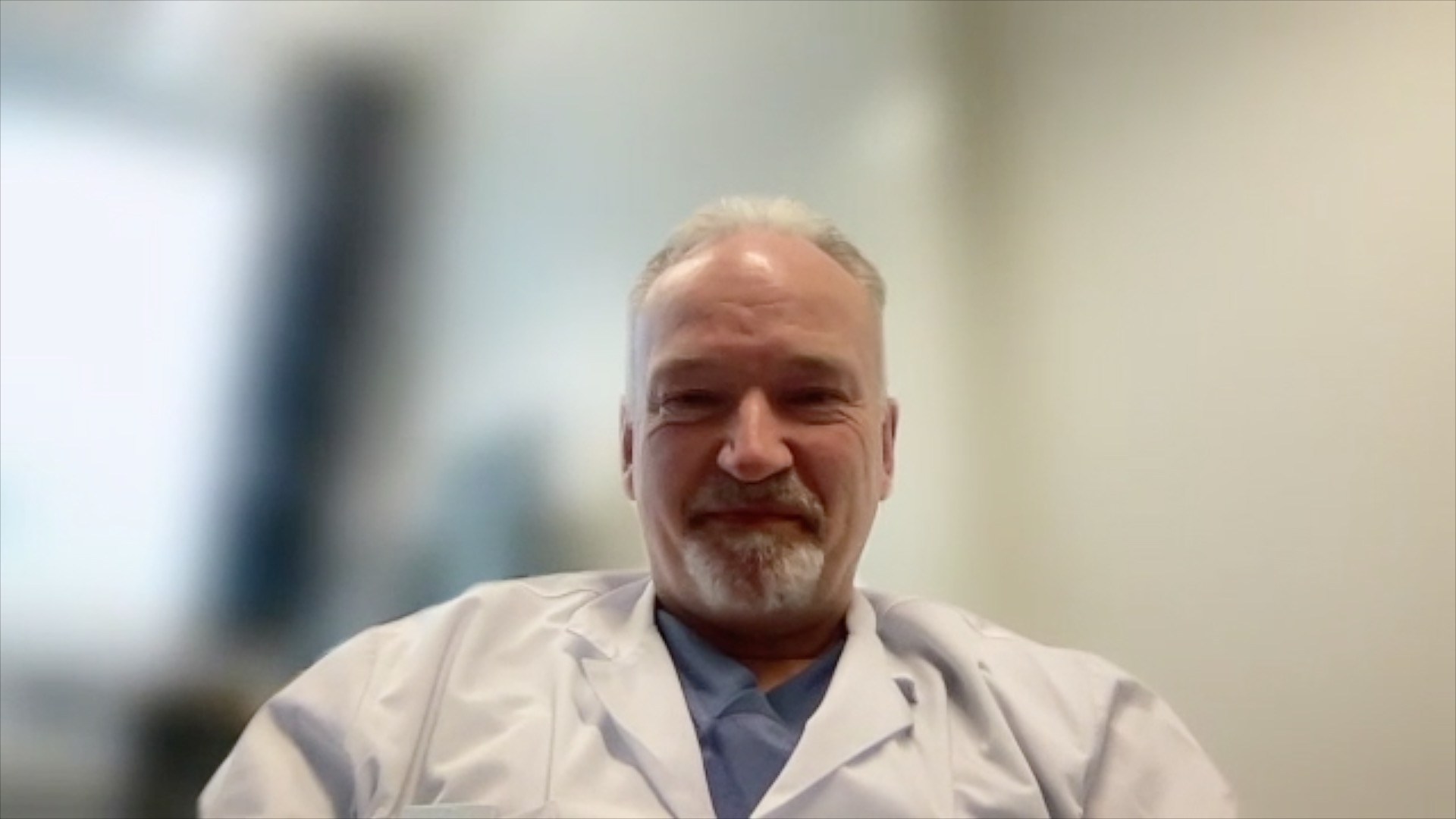
We asked Dr Emilio Torres-Netto to share his highlights from the meeting:
Putting the patient journey at the centre
Beyond diagnostics and surgical innovation, WKC 2026 also highlighted the importance of viewing keratoconus as a lifelong patient journey. Dedicated sessions explored visual rehabilitation, specialty contact lenses, ocular surface management and the broader quality-of-life challenges faced by patients living with progressive corneal disease.
This growing focus on patient experience reflects an important shift within the field—recognising that successful keratoconus management is measured not only by corneal stability, but by the ability to preserve functional vision, independence and long-term quality of life.
Key takeaway
From earlier diagnosis and personalised intervention to visual rehabilitation and patient-centred care, WKC 2026 highlighted a field that continues to evolve rapidly. As new technologies and treatment strategies move from specialist centres into wider clinical practice, the focus will increasingly turn to how these advances can be translated into meaningful, long-term benefits for patients worldwide.
Cite: World Keratoconus Congress (WKC) 2026 highlights precision care, innovation and global leadership. touchOPHTHALMOLOGY. 12 May 2026.
Editor: Nicola Cartridge, Head of Content
Acknowledgments: This content has been developed independently by Touch Medical Media for touchOPHTHALMOLOGY. It is not affiliated with the International Keratoconus Society of WKC. This article was created by the touchOPHTHALMOLOGY team utilizing AI as an editorial tool (ChatGPT (GPT-5.4) [Large language model]. https://chat.openai.com/chat.) The content was developed and edited by human editors. No funding was received in the publication of this article.