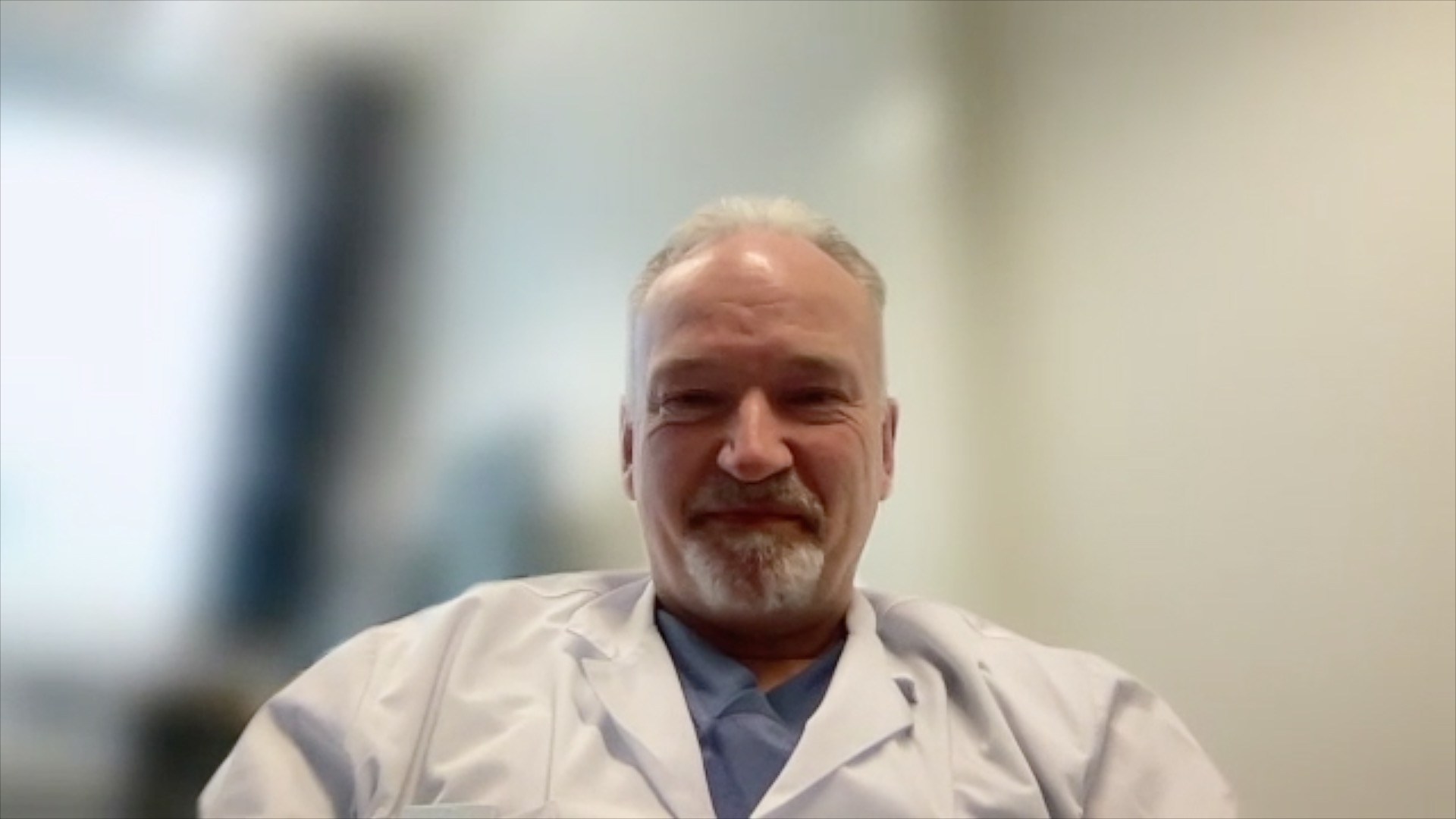
The long-term clinical outcomes of Rose Bengal Photodynamic Antimicrobial Therapy (RB-PDAT) for infectious keratitis and the surgical outcomes of individuals that underwent keratoplasty after RB-PDAT is discussed in this touchOPHTHALMOLOGY interview with Dr Paula Sepulveda-Beltran (Bascom Palmer Eye Institute, University of Miami Miller School of Medicine, Miami, FL). RB-PDAT is a potential adjunct therapy for infectious keratitis that may reduce the need for therapeutic keratoplasty with good visual outcomes.
The presentation entitled ‘Clinical and Surgical Outcomes of Keratoplasty in Individuals That Received Rose Bengal Photodynamic Antimicrobial Therapy’ was presented at the American Society of Cataract and Refractive Surgery, April 22-26, 2022
Questions:
- What is Rose Bengal Photodynamic Antimicrobial Therapy (RB-PDAT) and what unanswered questions remain around its use for infectious keratitis?
- What were the aims and design of your study?
- What microbes were found and what was the main risk factor for keratitis?
- What was the impact of RB-PDAT therapy?
- What are the clinical implications of this finding?
Disclosures: Paula Sepulveda-Beltran discloses grant/research support from Edward D. and Janet K. Robson Foundation, Wallace H. Coulter Foundation, Florida Lions Eye Bank and the Beauty of Sight Foundation, NIH Center Core Grant P30EY14801 (Institutional), Research to Prevent Blindness – Unrestricted Grant (GR004596); Consejo Nacional de Ciencia y Tecnología CVU810654 (H. Levine) and the Henri and Flore Lesieur Foundation.
Support: Interview and filming supported by Touch Medical Media Ltd. Interview conducted by Shanice Allen.
Filmed in coverage of the virtual ASCRS 2022.