At the ASCRS Annual Meeting in Washington DC, digital innovation was once again high on the agenda, with the ASCRS Digital Clinical Committee showcasing how emerging technologies such as artificial intelligence are beginning to move from theory into everyday ophthalmic practice. From ambient AI scribes and smarter surgical planning to automated patient communication and workflow optimization, the message from this year’s sessions was clear: many of the tools shaping the future of practice are already available today.
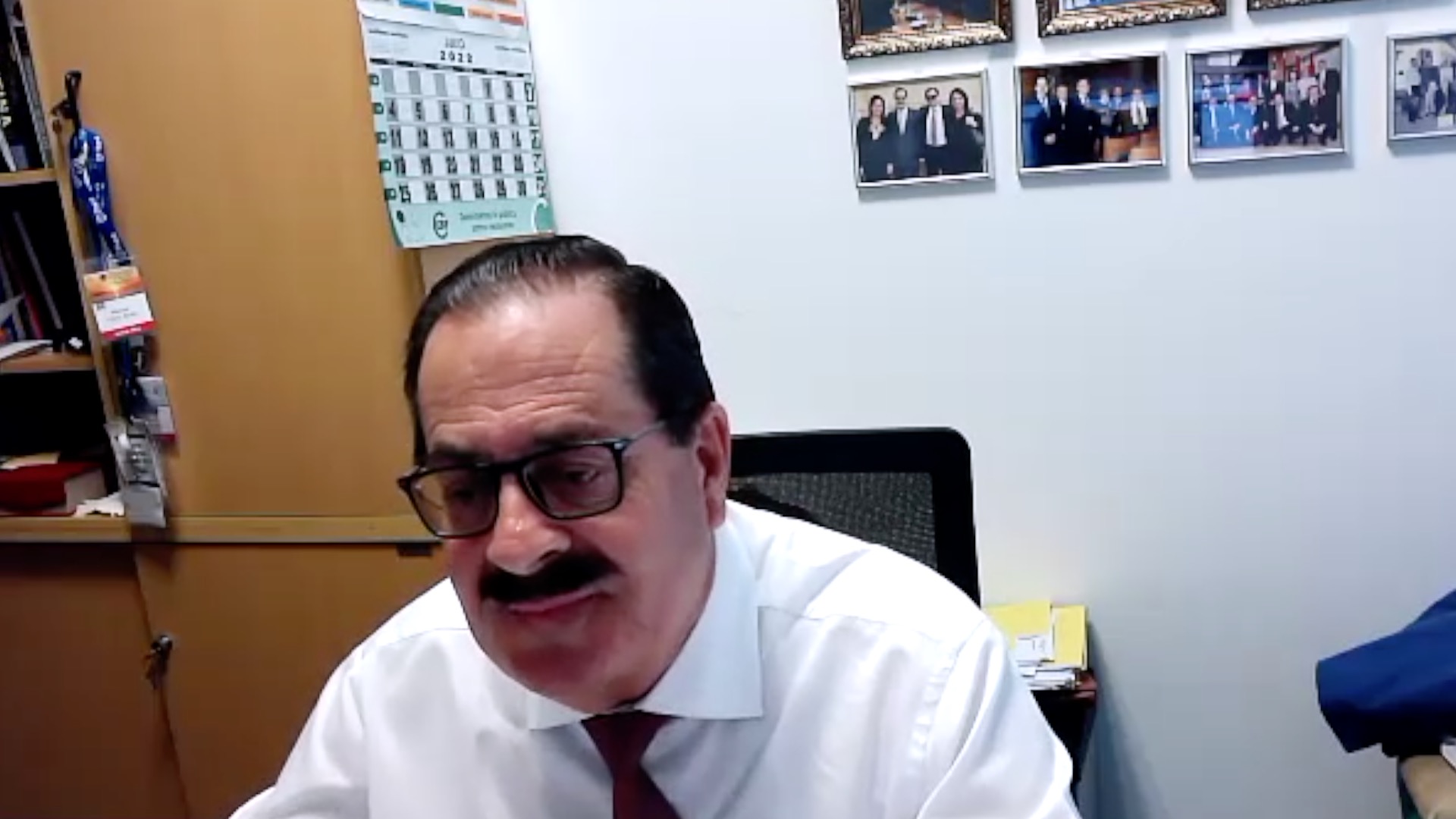
We caught up with Dr Eric Rosenberg following ASCRS 2026 to discuss the committee’s key takeaways, practical first steps for ophthalmologists looking to adopt AI in clinic, and how emerging technologies, including quantum computing, could influence the next decade of ophthalmic care.
Register now to stay up to date and be the first to receive our latest news, expert perspectives and insights.
What are the most practical ways ophthalmologists can start using AI today to improve efficiency in everyday practice?
Our recent Digital Clinical Committee Symposia (notably at ASCRS 2025 and 2026) have emphasized AI tools that are already commercially available and produce measurable time savings on day one, and would like to start out by first strongly recommending you attend our sessions at the annual ASCRS meetings.
Our Committee routinely focuses on three workflow buckets:
- Ambient AI scribes for the exam lane. This is the single highest-leverage entry point our Committee keeps returning to.
- AI-driven IOL calculations and surgical planning. Specifically PEARL-DGS, Kane, Hill-RBF, and the Ladas Super Formula as ready-to-use today.
- Front-office and communication AI. This is where I have been emphatic that small practices can win quickly.
AI phone agents and chatbots (e.g., for scheduling, post-op FAQs, dry eye intake, such as AVTRMed) can handle the calls that staff don’t have time to return. AI scheduling engines can estimate visit length based on the appointment type and chart complexity, which smooths the column and reduces the dreaded 4 p.m. backup. For patient education, LLM-generated, physician-approved content can be matched to the patient’s specific condition on your website.
Which AI tools, such as scribes, imaging platforms, or triage systems, do you see having the biggest near-term impact on patient care and workflow?
Start with an ambient scribe (the biggest immediate quality-of-life win), then layer in an AI-enabled IOL planner if you perform high-volume cataract surgery, and finally add front-office AI (scheduling/chatbot) once the team is comfortable. Screening AI and back-office RCM tools can follow.
Our Committee’s consistent framing is that AI today is a “high-value support tool”: the goal is augmentation, not replacement, and the practices seeing the most value are the ones picking one workflow at a time rather than trying to overhaul everything at once.
Looking ahead, how do you see emerging technologies such as AI and quantum computing changing ophthalmic practice over the next decade?
Across medicine, quantum computing is emerging as a way to tackle problems that overwhelm even our fastest classical computers, such as simulating complex molecules, optimizing large systems, or extracting patterns from very high‑dimensional data. Ophthalmology already lives at the intersection of imaging, data, and precision therapeutics, which makes it a natural early beneficiary once these tools mature.
First, we can recognize that quantum computing is likely to arrive in our field not as a black box in the OR, but as an invisible accelerator behind tools we already use: imaging devices, AI‑driven screening platforms, clinical decision‑support systems, and logistics software. Staying conversant with the basic concepts positions us to evaluate these tools critically rather than accepting “quantum‑powered” marketing at face value.
Second, we can engage with multidisciplinary teams, including data scientists, physicists, and industry partners, to help define ophthalmology‑specific problems where quantum might offer real value: for example, large‑scale tele‑screening, multimodal disease progression modeling, or high‑fidelity retinal simulations.
Finally, we can continue to invest in high‑quality carefully annotated imaging, detailed longitudinal outcomes, and standardized protocols. Those datasets are the raw material for both classical and future quantum‑enhanced models. If we do that, then as quantum technologies mature, ophthalmology will be ready not just to adopt them, but to help shape their most meaningful, patient‑centered applications.
Cite: Eric Rosenberg. ASCRS 2026: Digital Clinical Committee insights on AI, workflow and the future of ophthalmic practice. touchOPHTHALMOLOGY. 14 May 2026.
Editor: Nicola Cartridge, Director of Content
Disclosures: Dr Eric Rosenberg has nothing to disclose in relation to this article.
Acknowledgment: This content has been developed independently by Touch Medical Media for touchOPHTHALMOLOGY. It is not affiliated with ASCRS. Views expressed are the speaker’s own and do not necessarily reflect the views of Touch Medical Media.