This website is intended for healthcare professionals only

Trending Topic

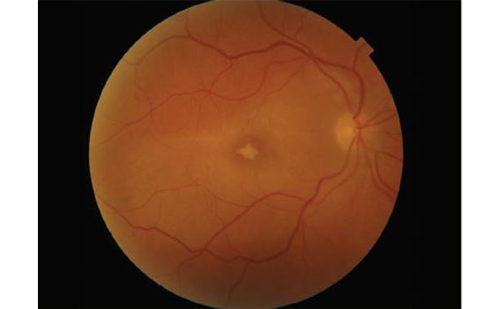
Eye Examination with High-Tech Ophthalmology Equipment. Patient undergoing an eye examination using advanced ophthalmology equipment with orange light, for accurate diagnostics.
11 mins

Trending Topic

Developed by Touch
Mark CompleteCompleted
BookmarkBookmarked
Hashem  Abu Serhan, Abdullah Ahmed, Barbara Parolini

Ophthalmologists, like all medical professionals, strive to base their practice on solid evidence. However, even in our field, certain beliefs have taken root more through tradition and repetition than through rigorous scientific scrutiny. Margolis and Galor published their editorial in which they debunked six myths related to the anterior segment.1 Their work motivated our critical thinking, […]

Pathogenesis of Pseudophakic Cystoid Macular Oedema

Conceição Lobo
< 1 min
Share
Facebook
X (formerly Twitter)
LinkedIn
Via Email
Mark CompleteCompleted
BookmarkBookmarked
Copy LinkLink Copied
Download as PDF
Published Online: Jan 24th 2013 European Ophthalmic Review, 2012;6(5):290-295 DOI: http://doi.org/10.17925/EOR.2012.06.05.290
Select a Section…
1

Article

Abstract

Cystoid macular oedema (CMO) is a primary cause of reduced vision after cataract surgery even after uneventful surgery. The incidence of clinical CMO following modern cataract surgery is 1.0–2.0 % but the high number of surgeries performed worldwide makes this entity an important problem. Pre-existing conditions such as diabetes and intra-operative complications increase the risk of developing CMO post-operatively. CMO is caused by an accumulation of intra-retinal fluid in the outer plexiform and inner nuclear layers of the retina, as a result of the breakdown of the blood–retinal barrier. The mechanisms that lead to this condition are not completely understood. However, the principal hypothesis is that the surgical procedure is responsible for the release of inflammatory mediators, suchas prostaglandins. Optical coherence tomography is at present an extremely useful non-invasive diagnostic tool. Guidelines for the management CMO should be focused essentially on prevention and are based on the principal pathogenetic mechanisms, including the use of anti-inflammatory drugs.

To view the full article in PDF or eBook formats, please click on the icons above.

2

Further Resources

Share
Facebook
X (formerly Twitter)
LinkedIn
Via Email
Mark CompleteCompleted
BookmarkBookmarked
Copy LinkLink Copied
Download as PDF
Close Popup