
 Managing rapid progression in diabetic retinopathy (DR) requires early recognition and decisive action, as disease severity can escalate over months rather than years, significantly narrowing the window for effective intervention. Identifying high-risk patients and adapting management strategies accordingly is critical to preventing irreversible vision loss.
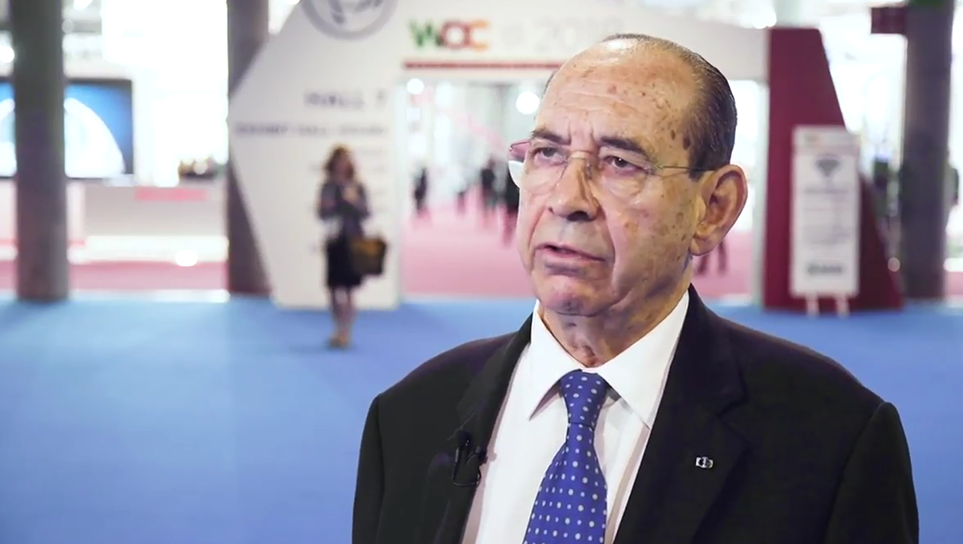
In this expert Q&A, Dr Marina Roizenblatt shares a global and developing-world perspective on rapidly progressing DR, drawing on her clinical experience in Brazil to explore how biological risk factors, health system limitations and pragmatic treatment approaches intersect in real-world practice.
How do you define and recognize rapidly progressing diabetic retinopathy in clinical practice?
There is no universally accepted definition, but I characterize it as a disease that moves faster than expected, with severity increasing over months rather than years. In practice, I look for “marker changes” between visits, such as:
- A rapid increase in retinal lesions like hemorrhages, venous beading, or IRMA.
- Early or unexpected neovascularization.
- Sudden onset or worsening of diabetic macular edema (DME) on OCT.
In Brazil, we face an additional challenge: what looks like “rapid progression” is often a delay in diagnosis. Many patients present at an advanced stage because they were lost at follow-up after their initial diabetes diagnosis. We must distinguish between a biological “fast progressor” and a patient who lacks access to early care.
What risk factors or triggers should alert clinicians to the risk of rapid progression?
We look for the standard “red flags” first: poor glycemic control, long duration of diabetes, hypertension, and nephropathy. These indicate that the patient’s systemic health is compromised.
A critical biological phenomenon described in the literature is the “early worsening of diabetic retinopathy”. This is a paradoxical progression that occurs after a rapid improvement in glycemic control; for instance, after starting insulin or undergoing bariatric surgery. The patient feels better systemically, but the retina rapidly deteriorates.
Beyond biology, social risk factors are paramount. In developing countries, limited access to health centers leads to a “loss of follow-up.” If I suspect a patient won’t be able to return for regular appointments due to social inequality, I must adapt my strategy immediately because I may not get a second chance to intervene.
How does rapid progression influence your choice and timing of treatment?
Rapid progression fundamentally compresses the therapeutic window. I shift from an expectant approach to a proactive, early intervention strategy.
I significantly shorten observation intervals and often offer treatment at the severe non-proliferative (NPDR) stage rather than waiting for proliferative disease. In Brazil, where follow-up is often inconsistent, I prioritize treatments that stabilize the eye quickly. We cannot always rely on the “wait and see” model if we suspect the patient might not return for several months.
What are your preferred treatment strategies in these high-risk patients?
We have to be pragmatic, while also aligning with international protocols and global innovations.
- Pan-Retinal Photocoagulation (PRP): When we identify a risk of poor adherence, we perform PRP much more frequently and earlier than international literature might recommend for stable populations. Once the laser is done, the eye is relatively “saved,” even if the patient misses several months of follow-up.
- Drug choice: In Brazil, we frequently use bevacizumab because it is cost-effective for universal health systems. However, from a global perspective, newer-generation agents such as faricimab are also available and are promising, as they target multiple pathways to provide longer-lasting stability.
- Early surgery: For vitreous hemorrhages or tractional retinal detachments, we indicate surgery earlier. We don’t wait long for a hemorrhage to clear; we go in, clear the vitreous, and perform PRP to stabilize the eye quickly.
How do you optimize follow-up and patient counseling to prevent blindness?
Counseling is the key. I use very realistic, strong language to ensure patients understand the consequences of their choices.
I often insist that family members join the consultation. If the patient doesn’t fully grasp the urgency, having their support system involved increases the chance they will follow medical advice and adhere to follow-up.
We utilize telemedicine and large-scale screening programs to triage severe cases, which is essential for managing the high volume of patients in our system. However, the most critical component is education; we must focus on training general ophthalmologists and healthcare providers across the country to recognize these “red flags” early. By improving the qualifications of doctors in more remote regions, we ensure that high-risk cases are identified and referred to specialized centers before the window for effective treatment closes.
Ultimately, we must combine evidence-based data with the reality-based situation of the specific patient in front of us.
→ Looking for more practice pearls? Take a look here
Disclosures: Dr Roizenblatt has nothing to disclose in relation to this article. No fees or funding were associated with this article.
Cite: Marina Roizenblatt. Managing rapid progression in diabetic retinopathy: A global and developing perspective. touchOPHTHALMOLOGY. 28 April 2026