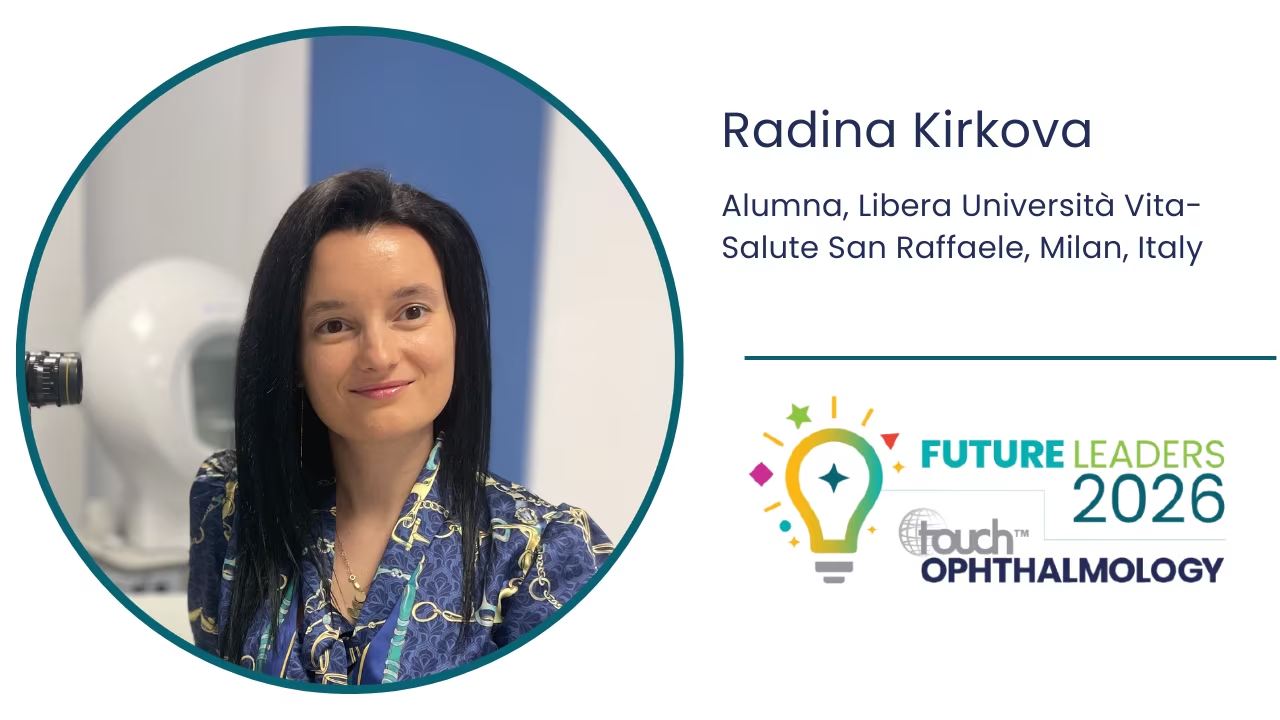
 We are delighted to welcome Dr Radina Kirkova as a touchOPHTHALMOLOGY Future Leader 2026.
Dr Radina Kirkova, MD, PhD, FEBO, is an ophthalmologist with subspecialty expertise in neuro-ophthalmology and vitreoretinal diseases, currently practising in Bulgaria. She is an Alumna of Libera Università Vita-Salute San Raffaele, Milan. Dr Kirkova completed and defended her PhD thesis in the field of macular degeneration and also holds a Master’s degree in Public Health and Healthcare Management.
Her clinical training includes fellowships in France and at Eyecare Clinic, Brescia, as well as one year of clinical and research work at Humanitas Research Hospital, Milan. In 2021, she was awarded the Prize for Scientific Contribution of a Young Ophthalmologist by the Bulgarian Society of Ophthalmology in recognition of her academic and clinical achievements.
In this Future Leaders interview, Dr Kirkova shares the inspirations behind her career, reflects on the mentors who influenced her journey so far, and discusses what excites him most about the future of ophthalmology.
Q: What inspired you to pursue a career in ophthalmology?
My earliest ambition was to become a physician, and more specifically, a surgeon. I initially began postgraduate training in vascular surgery, drawn by its technical complexity and systemic nature. Although my path later led me to ophthalmology for rational reasons, I soon discovered that the field extended far beyond what I had imagined.
Ophthalmology revealed itself to me as a discipline where the eye reflects systemic vascular and neurological disease. My work in emergency ophthalmology, particularly at IRCCS Humanitas Research Hospital in Milan, was transformative. I learned that the most devastating threats to vision are often silent — vascular occlusions and neuro-ophthalmic emergencies rather than overt trauma.
This experience shaped my commitment to an integrated, interdisciplinary approach to eye care, combining retina, neuro-ophthalmology, and emergency medicine.

Peer perspective
“Dr Kirkova represents a new generation of European ophthalmologists who successfully combine advanced clinical expertise with strong academic achievement. She holds a PhD focused on OCT-Angiography in neovascular age-related macular degeneration and has completed subspecialty training in neuro-ophthalmology at Università Vita-Salute San Raffaele in Milan. Dr Kirkova has worked within IRCCS Humanitas Research Hospital and has been actively involved in teaching and research. She holds the European Board of Ophthalmology Diploma (FEBO) and a Master’s degree in Public Health and Healthcare Management. Her scientific publications, international exposure and commitment to innovation position her as a promising future leader in ophthalmology.”
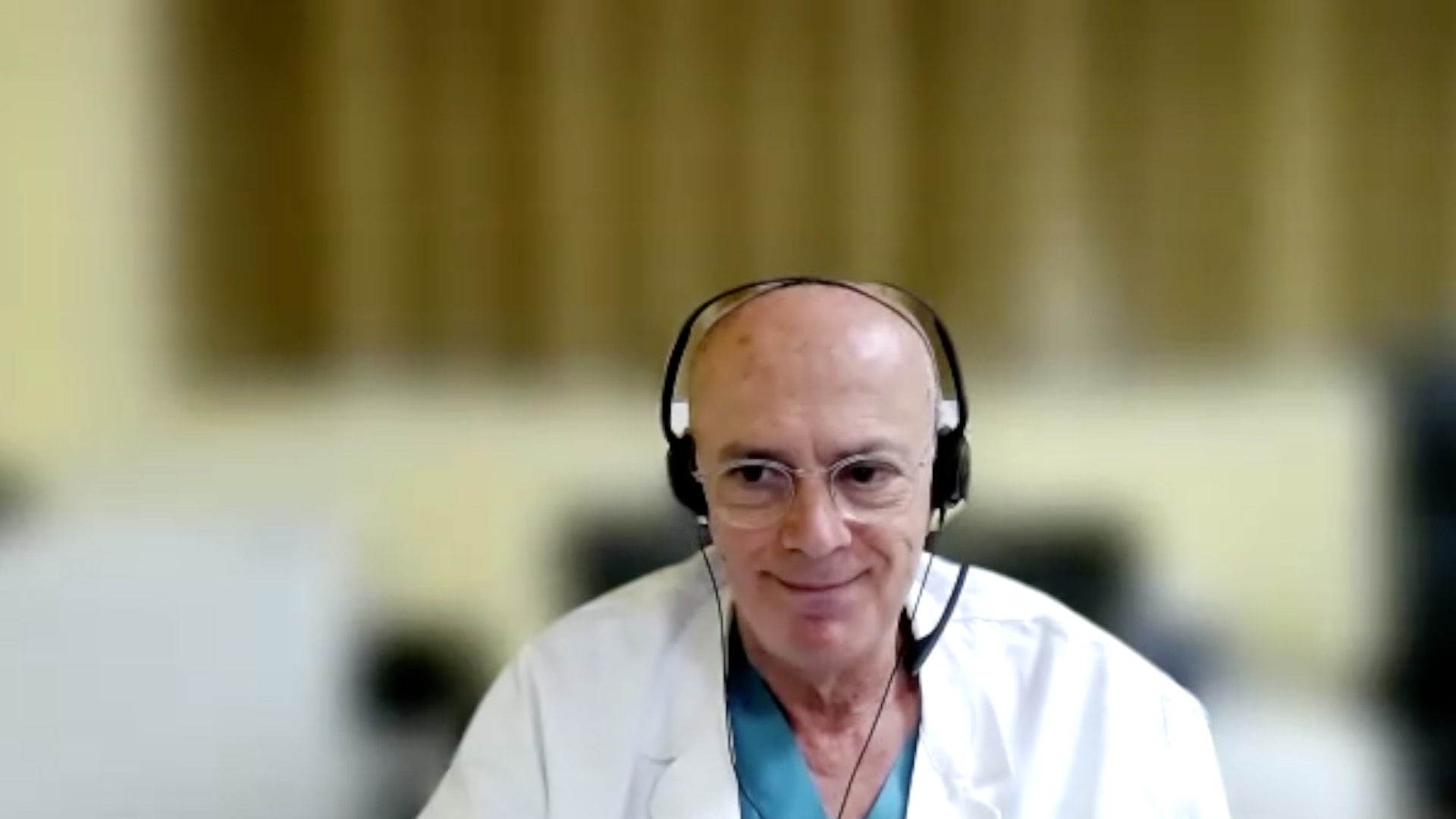
Ivan Tanev, Eye Clinic “Zrenieto”, Sofia
Q: Who has been the most significant mentor or role model for you, and what did you learn from them?
My professional identity has been shaped not by a single mentor, but by diverse leaders across different healthcare systems. Training in France and Italy exposed me to structured clinical reasoning, academic discipline, and surgical responsibility.
My surgical exposure in vitreoretinal surgery under Prof. Barbara Parolini was particularly formative, reinforcing the importance of precision, accountability, and respect for surgical complexity. Equally influential was my experience in high-volume tertiary centres, where excellence is built through teamwork, structure, and continuous self-reflection.
From my mentors, I learned that leadership in medicine is defined not only by technical skill, but by intellectual curiosity, ethical clarity, and the courage to evolve beyond established boundaries. I am particularly grateful to Associate Professor Ivan Tanev, whose mentorship shaped my understanding of leadership precisely in this way — as the courage to look beyond established limits, both clinically and professionally.
Q: What current innovations in ophthalmology excite you the most?
The innovations that excite me most are those that expand ophthalmology beyond anatomical borders.
Advances in retinal imaging — particularly OCT-angiography — have revolutionised our understanding of microvascular pathology and formed the foundation of my PhD research in neovascular age-related macular degeneration. These technologies enable earlier diagnosis and more precise disease monitoring.
I am equally inspired by developments in neuro-ophthalmology, where advanced imaging, artificial intelligence, and interdisciplinary collaboration are redefining how we diagnose and manage complex neurological and vascular conditions — especially in emergency settings where rapid decisions can preserve both vision and life.
Final thoughts
In ophthalmology, as in life, many accept the limits of their visual field as the limits of the world. I believe progress begins beyond those limits.
Disclosures: This short article was prepared by touchOPHTHALMOLOGY in collaboration with Dr Kirkova. No fees or funding were associated with its publication.
Citation: Dr Radina Kirkova on expanding ophthalmology beyond anatomical borders: touchOPHTHALMOLOGY Future Leaders 2026. touchOPHTHALMOLOGY. 11 March 2026.
Register now to receive the touchOPHTHALMOLOGY newsletter!
Don’t miss out on hearing about our latest peer reviewed articles, expert opinions, conference news, podcasts and more.