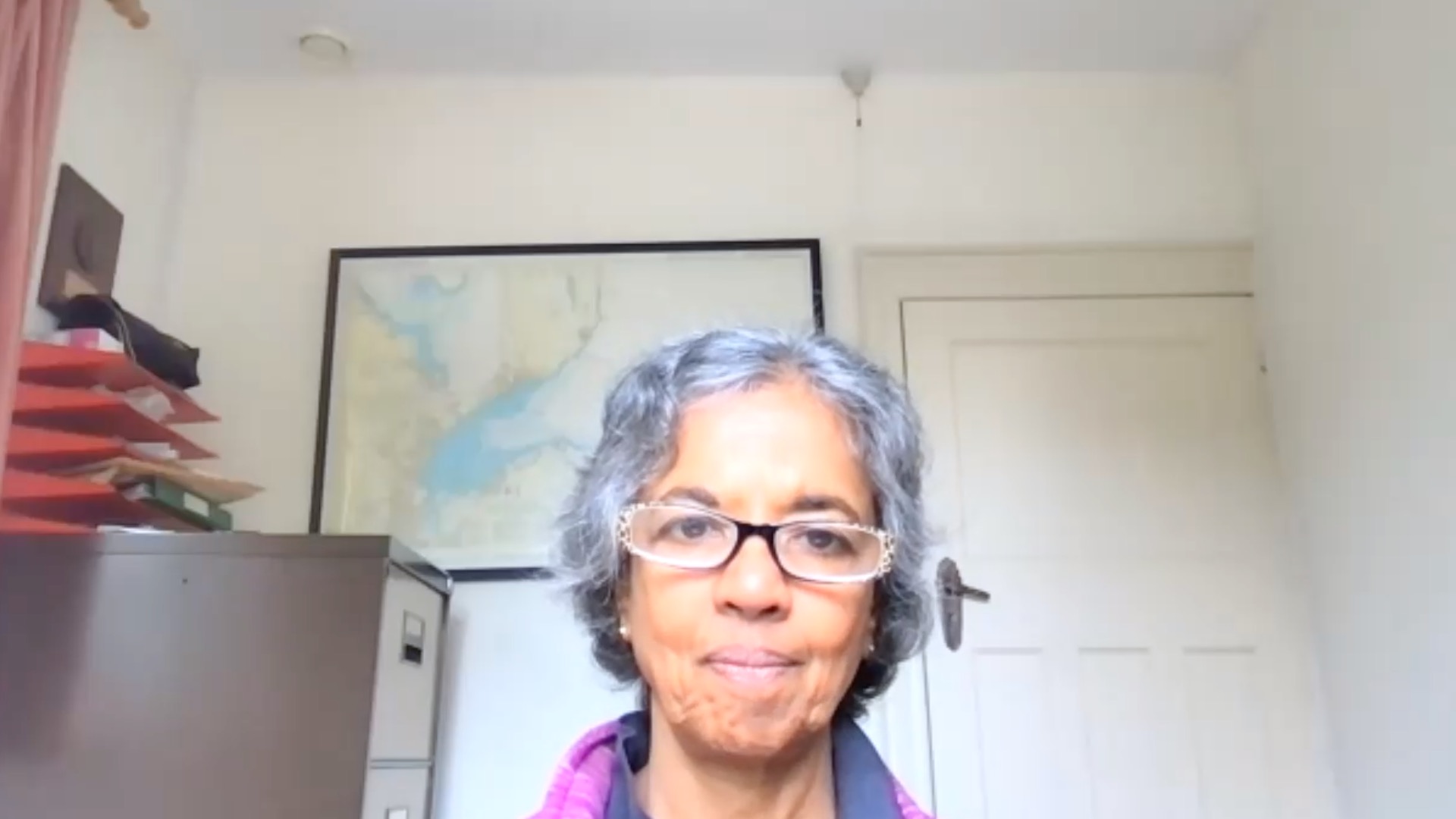
 In our Voices in Vision series, we spotlight leading experts across ophthalmology to explore the issues shaping clinical care today. In this edition, we speak with distinguished vitreoretinal surgeon Dr Dhanashree Ratra, who shares her perspectives on the most pressing challenges in retina care, the advances transforming her daily practice, and the rapidly expanding role of artificial intelligence in the field.
Q: What do you see as the single biggest challenge facing your specialty today?
The single biggest challenge facing the vitreoretinal specialty is treatment burden. The repeated injections of anti-VEGF agents, over a long, unpredictable time interval puts a huge strain on the individual patient and the nation’s economy. We need durable treatments that will address the root cause of the pathology and lead to healing rather than just suppression. Although several anti-VEGF agents are now available, none address the underlying problems of ischaemia, inflammation, vascular remodelling or metabolic dysfunction. These agents work by transiently binding VEGF and other cytokines, leading to only temporary suppression. Recurrence is common, highlighting the need for more durable and definitive treatments.
Q: What development this year has had the biggest impact on your clinical practice?
Better diagnostics with AI-based evaluation, ultra-widefield imaging, biomarkers, multimodal imaging and AI-based algorithms for diagnosis and treatment response have had the biggest impact on my clinical practice. These advances have enabled earlier diagnosis and more personalised treatment options. More peripheral and deeper tissues can now be visualized and imaged, and improved resolution supports earlier and more accurate detection. Multimodal imaging has also helped differentiate between similar-appearing diseases. Machines equipped with AI-based algorithms provide better scan segmentation, offering more precise information. Overall, better imaging has had the greatest impact this year.
Q: What excites you most about the potential of AI in your field?
I am very excited about the role of AI in retinal diseases – especially predictive AI. Generative adversarial networks can help generate images that predict post-operative outcomes, and can create fluorescein angiography images from standard fundus photos. The ability to predict systemic diseases and the risk of cardiovascular events from retinal photographs is also very exciting. AI can help customise treatment by predicting treatment response, and it can support research by generating research questions, conducting literature searches, summarizing findings and analysing data. It can also be used for patient counselling, writing notes and preparing investigation reports. The applications of AI are numerous, and it is exciting to consider all the ways in which it may help us deliver better, more efficient care.
Q: If you could give one piece of advice to early-career HCPs entering the field now, what would it be?
Retina is one of the most intellectually and emotionally demanding specialties. My advice to early-career HCPs is to focus on learning correct surgical techniques to develop dexterity and skill. They should learn imaging well, but remember not to treat the OCT scan or FA photo—they should treat the person as a whole. It is important to follow evidence-based medicine, but in the real world patients do not always fit trial criteria exactly. Guidelines should therefore be used to guide clinical care, with suitable adaptations based on the practical situation.
Disclosures: Dr Ratra has nothing to disclose in relation to this article. No fees or funding were associated with this article.
Citation: Voices in Vision: Dr Dhanashree Ratra on how AI is transforming vitreoretinal care. touchOPHTHALMOLOGY.com. 18 November 2025.
Why not take a look at our previous Voices in vision articles:
Voices in vision: Prof. Noel Alpins on improving patient satisfaction in refractive laser surgery
Register now to receive the touchOPHTHALMOLOGY newsletter!
Don’t miss out on hearing about our latest peer reviewed articles, expert opinions, conference news, podcasts and more.